Weekend trips: planning short breaks when you live apart

Lesezeit: 10 Minuten
You're in Manchester, he's in Bristol, and you've just spent another Sunday evening on a video call planning when you'll next see each other. Living in different cities when you're over 50 and dating can feel exhausting, but weekend trips apart don't need to mean months of waiting or marathon drives. The trick is simple: plan short breaks that work for both of you, choose midpoint destinations that split travel time fairly, and treat each meetup as something worth anticipating rather than enduring.
According to the Office for National Statistics, 3.8 million UK adults aged 50-69 lived alone in 2021, and many choose to keep separate homes even when in relationships. For couples who've built independent lives in different cities, weekend trips become the lifeblood of maintaining romance without uprooting careers, families or routines. This isn't the frustration of being apart, it's a deliberate choice to build connection on neutral ground.
Why weekend trips apart strengthen over-50s relationships
Meeting halfway removes the imbalance of one person always hosting. When you both travel to a third location, nobody feels like the perpetual guest. You're equals sharing an experience, not fitting into someone else's routine. Birmingham to London, Glasgow to Edinburgh, Cardiff to Bath: these aren't just journeys, they're the architecture of a relationship that respects two established lives.
Shared travel creates anticipation that video calls never will. Booking a hotel in York three weeks out gives you both something concrete to look forward to. You're not killing time until the next visit, you're actively building memories. Research from Relate UK in 2022 found that couples who planned regular meetups reported higher relationship satisfaction than those who met sporadically. The planning itself matters as much as the trip.
Weekend trips also keep physical intimacy alive without the pressure of overnight visits at home. A hotel room in Chester or a cottage in the Cotswolds offers privacy, romance and a break from daily life. You're not worrying about neighbours or adult children dropping by. For many over-50s navigating separate homes after 50, this balance feels healthier than cohabiting.
Choosing midpoint destinations that work for both of you
The best weekend trips apart start with fair geography. If one person drives three hours while the other manages 45 minutes, resentment builds fast. Use Google Maps to calculate actual drive times from each postcode, factoring in Friday evening traffic or Sunday return queues on the M6.
Birmingham sits within two hours of Manchester, Leeds, Nottingham, Leicester and Oxford. It's not romantic on paper, but the city's regenerated Jewellery Quarter offers boutique hotels like Hotel du Vin Birmingham from £130 a night, independent restaurants such as Purnell's Bistro, and easy parking. For couples split between the Midlands and the North, it's practical before it's picturesque.
York works brilliantly for anyone between Newcastle and London. The train journey from King's Cross takes under two hours, and the city itself is compact enough to explore on foot. Book a room at The Grand Hotel on Station Rise from £160 per night, walk the medieval walls, and eat at Skosh on Micklegate for modern small plates. York delivers history and comfort without requiring a car.
Coastal escapes that split the difference
Whitby serves couples from Leeds, Hull and Middlesbrough within 90 minutes. Book a sea-view room at The White Horse & Griffin on Church Street from £145 per night, climb the 199 steps to the abbey, and eat fish and chips at Magpie Café. The harbour feels worlds away from city life, even if you've only driven an hour.
Llandudno is ideal if one of you is in Liverpool and the other in North Wales or Chester. The Victorian seafront, the Great Orme tramway, and hotels like The Imperial from £120 a night offer old-fashioned charm without old-fashioned attitudes. It's accessible, affordable and genuinely pleasant for a two-night break.
Planning weekend trips that respect your schedules
Over-50s dating rarely involves clearing entire weekends with no notice. You've got grandchildren, ageing parents, work commitments or hobbies you've cultivated for decades. Successful weekend trips apart begin with a shared calendar, ideally digital so you both see availability in real time. Google Calendar or even a shared WhatsApp note works fine.
Book train tickets eight weeks ahead to access Advance fares, which can cut costs by 60 per cent. A Manchester to Birmingham return drops from £78 on the day to £29 if you book early through Trainline. Those savings fund better hotels or meals, and you're both committed once tickets are non-refundable.
Friday to Sunday works better than trying to stretch trips into Monday. Bank holiday weekends sound appealing but hotels double their rates and motorways clog. A standard February weekend in Bath costs £140 per night at The Queensberry Hotel, while the same room over Easter hits £210. Save your budget and your patience.
What to do once you're there
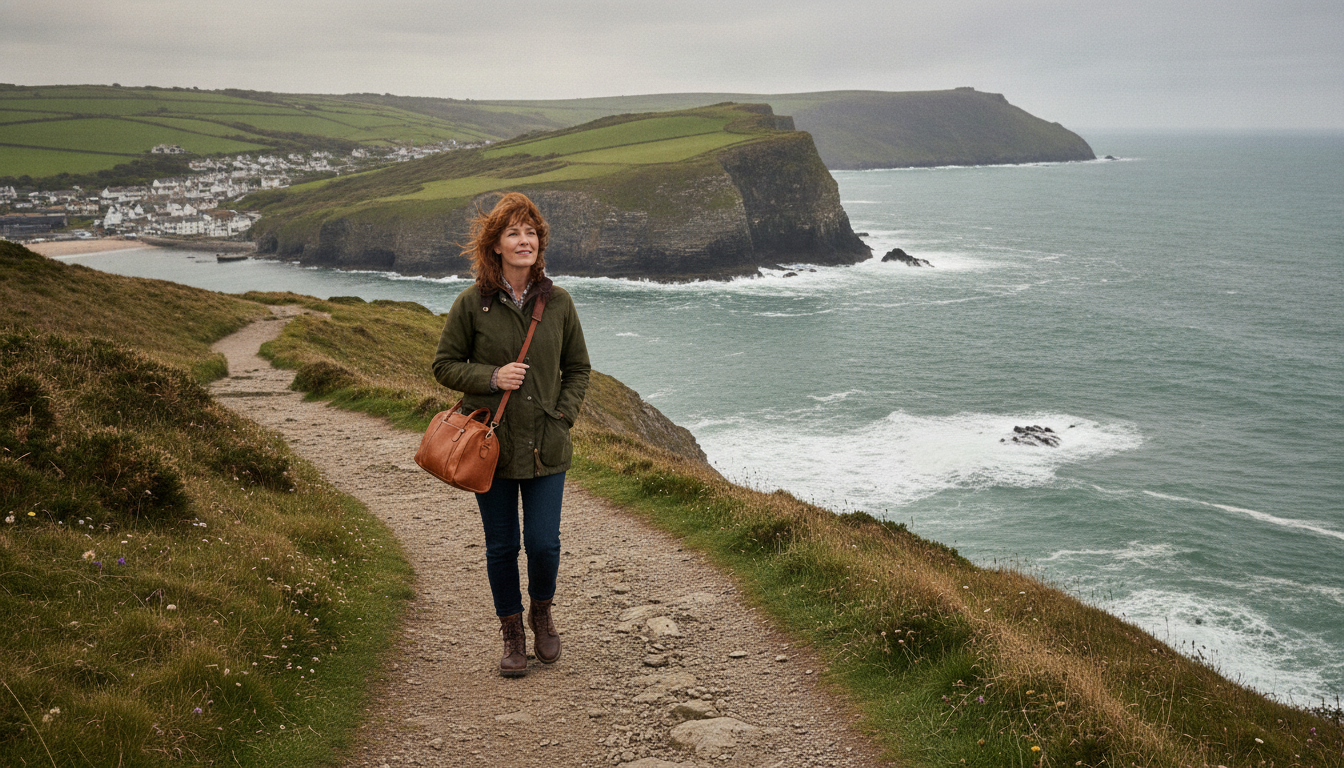
Don't overschedule. The point of weekend trips apart is togetherness, not ticking off attractions. Pick one or two activities, leave gaps for long meals, afternoon naps or just walking without a destination. Over-50s relationships thrive on unhurried time, not itinerary stress.
Stratford-upon-Avon offers the Royal Shakespeare Company if you both enjoy theatre, then dinner at The Opposition Bistro on Sheep Street. If theatre isn't your thing, skip it entirely and spend Saturday afternoon exploring Warwick Castle 15 minutes away. The flexibility matters more than the activity.
Oxford's Ashmolean Museum is free, central and genuinely interesting if one of you loves art and the other tolerates it. Afterwards, walk through the Covered Market for lunch at The Pie Shop, then along the Cherwell to the Botanic Garden. It's a day that costs less than £30 including entry fees and feels worlds away from routine.
Evenings that build connection
Book dinner reservations ahead, especially if you're visiting somewhere popular like Edinburgh or Cambridge. Finding a table for two on a Saturday night without a booking turns romantic into stressful fast. Use OpenTable or call directly, specify any dietary needs, and confirm the day before.
After dinner, skip the hotel bar for a walk if the weather allows. Lincoln's steep streets up to the cathedral, Bath's Pulteney Bridge lit at night, Durham's riverbanks: these are free, quiet and far more memorable than another overpriced gin. If you'd prefer MySugardaddy connections or similar platforms for your social circle, evenings like these still matter, they're where relationships deepen beyond logistics.
Managing costs without resentment
Money can sour weekend trips apart faster than bad weather. Decide upfront how you're splitting costs. Some couples alternate who books the hotel, others split everything 50-50, and some divide by income if there's a significant gap. The method matters less than agreeing before you go.
If one person always drives while the other takes the train, factor fuel and parking into the split. A tank of petrol from Bristol to Cheltenham costs roughly £30, while parking in city centres adds another £20 for the weekend. Either the driver pays less for accommodation or the train passenger covers an extra meal.
Premier Inn and Travelodge often undercut boutique hotels by £60-80 per night without sacrificing cleanliness or comfort. A Premier Inn in Chester costs £75 on a Saturday night versus £160 at a converted Georgian townhouse nearby. If you're meeting every three weeks, those savings fund an extra trip per year. Just avoid rooms directly above pub kitchens or facing main roads.
When weekend trips show you more than geography
Regular short breaks reveal how someone handles travel stress, compromises on plans, or treats service staff. You learn whether they're a morning person who's ready for breakfast at 7.30 or someone who needs coffee before conversation. These details matter more at 50-plus than at 25 because you've less patience for incompatibility.
If every trip devolves into arguments about directions, meal choices or whose idea was better, pay attention. Weekend trips apart should feel easier than daily cohabitation, not harder. Persistent friction suggests deeper mismatches that won't improve with more time together. For more on making long-distance love work across the UK, including when it's time to reconsider, honest assessment beats optimism.
Alternatives when weekends don't align
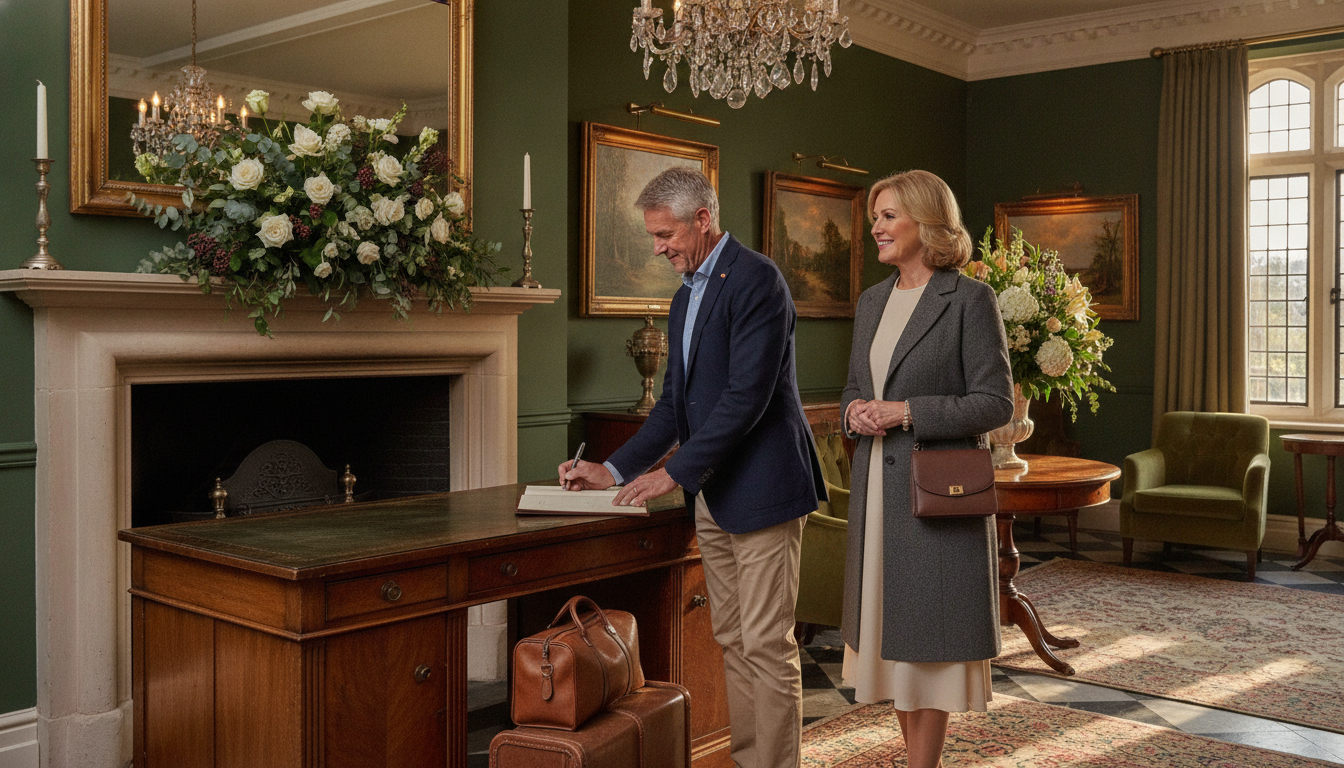
If your schedules genuinely never match, midweek breaks work too. Wednesday to Friday in Harrogate costs 30 per cent less than weekend rates, roads are quieter, and restaurants have tables. The Royal Baths Chinese Restaurant on Parliament Street offers midweek early-bird menus at £16 for three courses. Retirement or flexible work makes this possible, and it separates you from crowds.
Consider slightly longer trips every six weeks instead of short breaks every fortnight. A four-day break in the Lake District or Cornwall offers deeper immersion than repeated two-night hops. You're not constantly packing and unpacking, and you actually relax. Windermere, Fowey, St Andrews: these places reward longer stays with hiking, reading and proper downtime.
If travel is genuinely prohibitive due to health or cost, video calls and regular phone conversations still matter, but they're maintenance, not growth. Relationships need physical presence to thrive. If you're not meeting at least monthly, question whether you're building something sustainable or simply postponing a difficult conversation.
FAQ
How often should couples in different cities plan weekend trips apart?
Aim for at least one weekend per month if distance allows. Gaps longer than six weeks make relationships feel like pen-pal arrangements rather than active partnerships. Frequency depends on drive times, budgets and other commitments, but monthly contact keeps connection alive without overwhelming schedules. Adjust based on what's realistic for both of you, not what sounds ideal in theory.
Who should pay for weekend trips when you live in different cities?
Split costs in a way that reflects both travel effort and financial capacity. If one person drives three hours while the other takes a 45-minute train, the driver might pay less for accommodation. Alternating who books the hotel or splitting everything 50-50 both work, as long as you agree beforehand. Unspoken assumptions about money create resentment faster than most other issues at this stage of life.
What are the best midpoint destinations for couples living apart in the UK?
Birmingham, York, Oxford and Bath work well for couples across England. Edinburgh suits those in Scotland and northern England, while Llandudno serves North Wales and Merseyside. Choose locations based on equal drive times, not just charm. A three-hour journey for one person and 45 minutes for the other breeds resentment no matter how lovely the destination.
How do you keep romance alive when planning regular weekend trips?
Treat each trip as special, not routine. Pick different destinations, try new restaurants and avoid falling into identical patterns every visit. Romance at 50-plus comes from deliberate effort, not spontaneity. Book something neither of you has done before, a pottery class in Stoke-on-Trent, afternoon tea at Betty's in Harrogate, or tickets to a jazz night in Manchester. Novelty matters more than expense.
When should you stop planning weekend trips and move closer together?
If you're travelling every weekend for over a year and both genuinely want more time together, consider one person relocating or finding a midpoint city for both. Extended long-distance works for some couples indefinitely, especially those valuing independence. Others find it exhausting after 18-24 months. The right timing depends on whether weekend trips still feel exciting or increasingly like obligations.
Making weekend trips work long-term
Weekend trips apart succeed when both people value the arrangement as much as they value each other. This isn't about tolerating distance until something better comes along. It's a deliberate choice to build a relationship that respects two independent lives while creating shared experiences worth remembering.
The couples who thrive on this model plan ahead, communicate clearly about expectations and don't treat meetups as chores. They pick destinations thoughtfully, split costs fairly and recognize when patterns stop working. If you're managing weekend trips apart well, you're also managing the harder parts of any relationship: compromise, logistics and sustained effort.
Start with one weekend break next month. Pick a midpoint city, book a decent hotel and plan nothing beyond dinner. See how it feels when you're not hosting and not guessing. See if anticipation outweighs inconvenience. If it does, you've found something worth keeping.