Bridge clubs: where strategy meets social connection after 50
Lesezeit: 11 Minuten
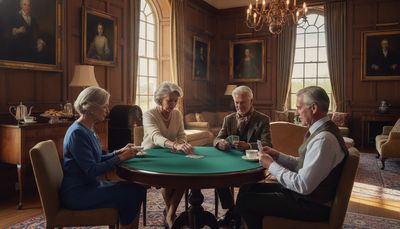
Last Tuesday evening at the Marylebone Bridge Club in central London, a retired accountant named Robert made three new friends, won two rubbers and arranged to meet for coffee the following week. He hadn't planned any of it. He'd simply turned up for beginner sessions, expecting to learn a few card tricks. Bridge clubs over 50 have quietly become one of the most effective ways for mature singles to build genuine friendships, sharpen their minds and occasionally stumble into romance, all whilst holding thirteen cards.
The English Bridge Union reports over 30,000 members across approximately 350 affiliated clubs in England alone, with the majority of active players aged between 50 and 75. These aren't stuffy, silent rooms. Modern bridge clubs blend serious card play with tea breaks, laughter and the kind of honest conversation that emerges when people concentrate together on something genuinely challenging.
Why bridge clubs work where speed dating doesn't
Bridge clubs over 50 succeed because they remove the awkwardness of "I'm here to meet someone". You're there to play cards. Connection happens as a byproduct of shared concentration, not as the stated objective. This matters enormously when you're re-entering social life after divorce, bereavement or simply years of focusing on work and family.
At the Tunbridge Wells Bridge Club in Kent, which runs three sessions weekly at the Nevill Hall on Warwick Park, beginners regularly outnumber experienced players during Thursday afternoon sessions. The club charges £4 per session, includes tea and biscuits, and pairs newcomers with patient teachers. Nobody asks why you're there alone. Everyone arrives alone.
The structure of bridge itself creates natural conversation. Between hands, whilst shuffling or when a round finishes, players chat about everything from grandchildren to Greek holidays. These fragments build into friendships over weeks, without the pressure of formal "getting to know you" rituals that make many over-50s uncomfortable.
The cognitive bonus that keeps members coming back
Research published by the University of Stirling in 2023 found that regular bridge players over 55 showed measurably better memory retention and reasoning skills than non-players of the same age. Playing bridge twice weekly exercises working memory, strategic planning and probability calculation simultaneously. It's a genuine workout for your brain, wrapped in a social occasion.
This cognitive element attracts a particular type of person: curious, engaged, often recently retired from professional careers. The conversation tends toward current affairs, books, travel. You'll find fewer complaints about aches and pains here than at some other over-50s activities, partly because everyone's genuinely concentrating on the next bid.
How to start if you've never played
Most clubs run supervised sessions for complete beginners, typically on weekday afternoons when venues are quieter. The Wimbledon Bridge Club at the Raynes Park Sports Ground offers a six-week beginner course for £48, meeting Tuesdays at 14:00. You don't need a partner. The club pairs you with others at your level, rotating partnerships so you play with different people each week.
Learning basic bridge takes about six weeks of regular play. You'll grasp bidding conventions, understand trick-taking and start recognising common situations. Mastery takes years, which is part of the appeal. There's always something new to learn, which means returning players always have something to discuss beyond personal history.
If you're anxious about starting from scratch, many clubs offer online resources or recommend Andrew Robson's "Bridge for Dummies", available from Waterstones for £16.99. The English Bridge Union website provides a searchable directory of clubs by postcode, showing which offer beginner sessions and which welcome drop-ins versus requiring membership.
What actually happens at a typical session
Arrive 10 minutes early for a 19:30 start. Sign in, pay your session fee (usually £3-5) and take a seat at one of the numbered tables. The director announces the first round. You'll play a set number of hands with your current partner against the pair sitting opposite, then move to the next table. This rotation system means you'll interact with 8-12 different people over a three-hour evening.
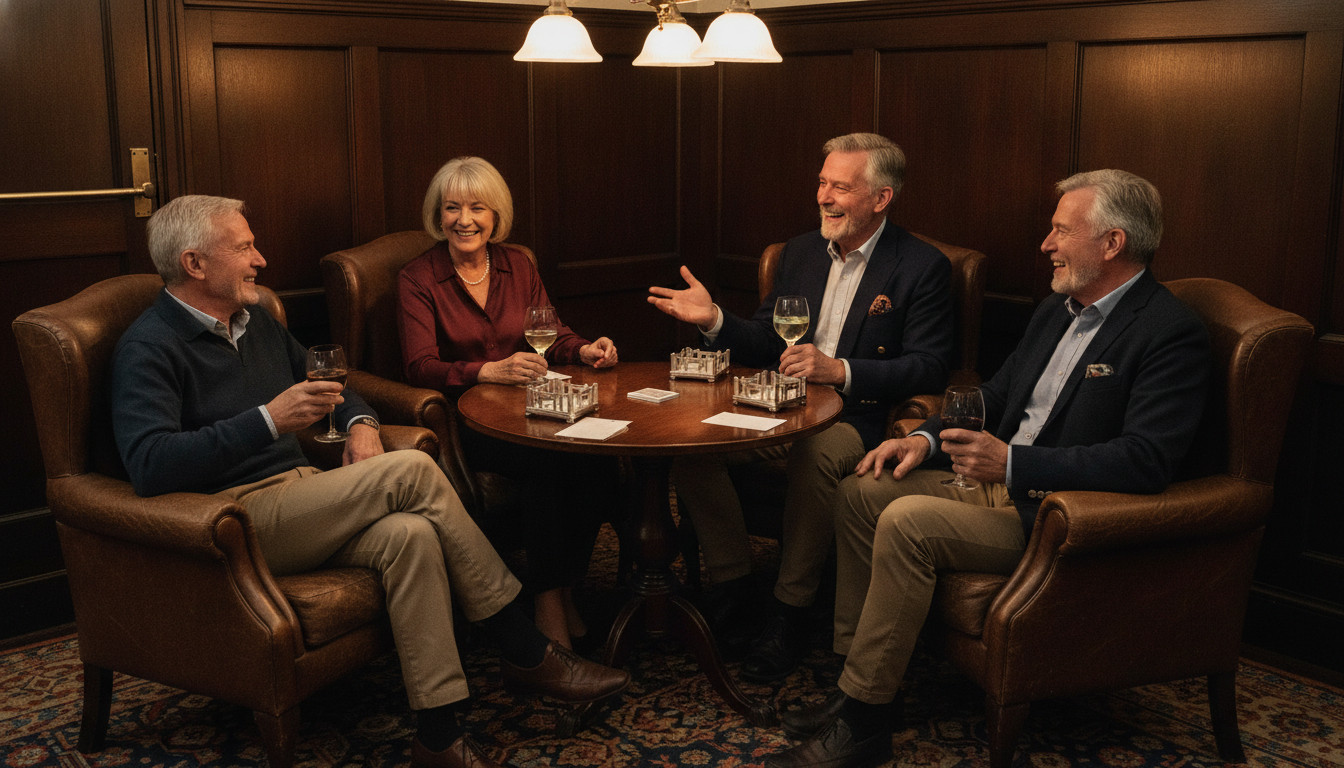
Tea and coffee appear around 21:00, giving everyone a proper break. This is when real conversation happens, when phone numbers get exchanged and when someone mentions they're looking for a theatre companion next month. Romance does occasionally blossom, but more often what develops is a circle of friends who share your interests and keep your diary fuller than it's been in years.
Bridge clubs versus other hobby groups for meeting people
Unlike walking groups, where conversation dominates but the activity itself is simple, bridge demands concentration that creates comfortable silences. Unlike book clubs, where discussion centres on one shared text, bridge offers endless variation and personal challenge. The combination works particularly well for people who want intellectual companionship without constant chatter.
For singles specifically, bridge clubs offer something rare: a structured activity where being alone is normal. You don't need to bring someone. You don't explain your relationship status unless you choose to. Similar to walking groups that have become unexpected venues for mature romance, bridge clubs create low-pressure environments where connections form naturally rather than through forced interaction.
The Manchester Bridge Club at the South Manchester Lawn Tennis Club runs a "Singles Social" on the first Friday of each month, combining bridge with a simple supper. The £12 fee includes food, and the format attracts a consistent group of 20-30 players aged between 48 and 72. Three marriages have resulted from this group since it started in 2019, though organiser Patricia Welch emphasises that most attendees come for the company rather than explicitly seeking romance.
Where to find bridge clubs worth joining
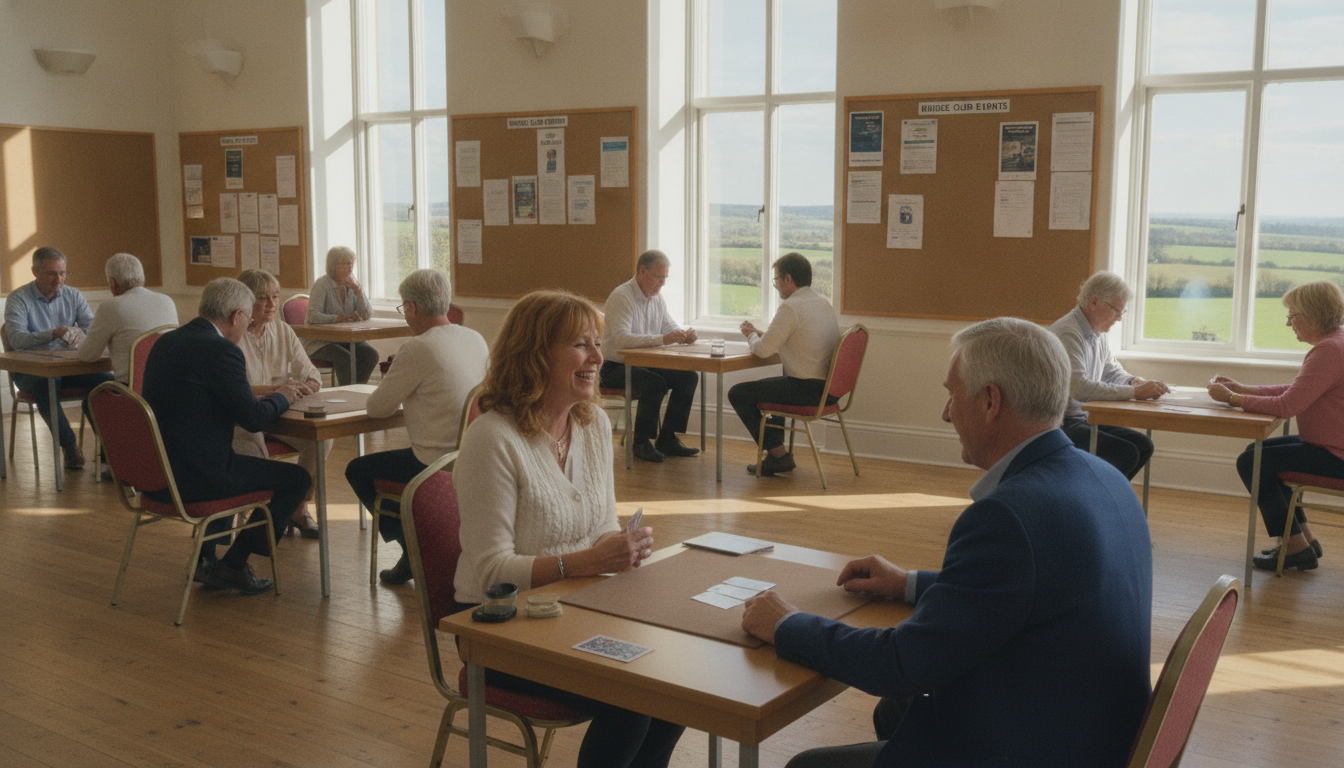
The English Bridge Union lists affiliated clubs at ebu.co.uk/club-finder. Search by postcode to find venues within 10 miles. Check each club's website for session times, beginner availability and whether you need to book in advance. Many clubs offer a free first session or a discounted trial membership.
In London, the Young Chelsea Bridge Club (despite its name, average age is 62) welcomes beginners every Monday at 14:00 at the Anglesea Arms in South Kensington. Outside the capital, the Bath Bridge Club runs excellent beginner courses at the Bailbrook House Hotel, starting every January and September for £60 covering eight weeks.
Look for clubs that explicitly mention social elements or post-game refreshments. These tend to be friendlier to newcomers and more focused on connection than pure competition. Avoid clubs whose websites only mention masterpoints and tournament results unless you're specifically seeking high-level competitive play.
The unexpected social network that develops
Regular bridge players often discover they've built an entire social calendar around the club. Birthday lunches, theatre trips, even shared holidays emerge from these connections. The Bristol Bridge Club organises an annual long weekend in Bath each April, open to members and their non-playing partners, combining bridge sessions with guided walks and group dinners.
This network matters especially when facing life transitions. Several members interviewed for this article mentioned how their bridge circle supported them through bereavement, illness or family difficulties. When you see the same faces weekly, genuine friendships form, the kind where someone notices if you're absent and sends a text to check you're alright.
The romantic possibilities nobody mentions in the club newsletter
Club secretaries won't tell you this in promotional material, but bridge clubs have quietly facilitated hundreds of late-life partnerships. The combination of regular contact, shared interests and partners rotating each week creates opportunities to gradually get to know someone without the artificial pressure of a date.
Bridge partnerships themselves sometimes develop into something more. When you play regularly with someone, you learn how they think, how they handle frustration, how they celebrate success. These glimpses of character reveal more than three coffee dates might manage. Just as with overcoming the fear of rejection when dating in your fifties, the indirect approach of meeting through shared activities removes much of the anxiety.
According to a 2024 survey by Age UK, 23% of over-55s who met a new partner in the past five years did so through hobby groups rather than dating apps or introductions by friends. Bridge clubs feature prominently in this category, offering what dating coach Helen Reeves calls "accidental dating" where connection precedes any romantic intention.
Cost, commitment and what to expect in your first month
Budget £15-20 monthly if attending weekly sessions at £4-5 each. Annual membership, where required, adds £30-60 but usually includes discounted session fees. You'll want a basic bridge scoring pad (£3 from Amazon) and possibly a beginner's guide, though many clubs lend these during lessons.
Commitment-wise, attending fortnightly gives you enough continuity to improve and build connections. Weekly attendance accelerates both skill development and friendship formation. Most clubs don't require advance booking for regular sessions, making it easy to drop in when your schedule allows.
Your first month will involve making mistakes, asking questions and probably losing more hands than you win. Everyone expects this. Experienced players remember their own beginner confusion and generally help rather than judge. By week four, you'll recognise faces, remember names and start to feel part of the group rather than a visitor.
Beyond the club: bridge as a broader social connector
Once you've learned basic bridge, the skill travels. Holiday cruise lines run bridge sessions. Many over-50s tour companies include bridge as an evening activity. Hotel bridge weekends combine comfortable accommodation with organised games, attracting solo travellers who want company without committing to a full group tour.
The Cheltenham Bridge Weekend at the Queens Hotel, running four times yearly, specifically caters to single players. The £245 fee includes two nights' accommodation, all meals and supervised bridge sessions where singles are guaranteed partners. Similar weekends operate in Harrogate, Edinburgh and the Cotswolds, creating opportunities to combine your new hobby with short breaks.
Frequently asked questions about joining bridge clubs over 50
Do I need to bring a partner to join a bridge club?
No, most clubs welcome individuals and will pair you with someone of similar ability. Club directors actively manage partnerships to ensure nobody sits out. Arriving alone is completely normal and expected, particularly during beginner sessions where most attendees are in the same situation.
How long does it take to learn enough bridge to enjoy playing socially?
Six to eight weeks of weekly play gives you enough grasp of bidding and trick-taking to participate in social bridge comfortably. You won't play perfectly, but you'll understand what's happening and enjoy the game. Full competence develops over 6-12 months of regular play, though many find the learning process itself rewarding.
Are bridge clubs intimidating for complete beginners?
Clubs that run dedicated beginner sessions are generally welcoming and patient. Choose clubs advertising "supervised play" or "teaching sessions" rather than open competitive sessions. Reading reviews on club websites or calling ahead to explain you're a complete beginner helps set appropriate expectations on both sides.
What should I wear to my first bridge club session?
Smart casual works for most clubs: clean trousers or a skirt, a decent jumper or shirt. Some traditional clubs expect jackets for men during evening sessions, but this is increasingly rare. Afternoon sessions tend to be more relaxed. When in doubt, slightly overdressed beats underdressed, though comfort matters more than fashion at most social bridge clubs.
Can bridge clubs really lead to romantic connections, or is that overstated?
Romance happens often enough that it's worth mentioning but rarely enough that it shouldn't be your primary motivation. Bridge clubs work best as friendship venues that occasionally produce romantic connections. Approximately 1 in 10 regular single players report meeting someone they dated through their club, according to informal surveys, but the majority value the friendships and mental stimulation as the main benefits.
Making bridge clubs work as part of your social rebuilding
If you're rebuilding your social life after divorce, bereavement or retirement, bridge clubs over 50 offer a structured, low-pressure way to meet people who share your interests. The weekly rhythm creates continuity. The mental challenge keeps things interesting. The rotating partnerships ensure you meet new people without the exhausting open-endedness of large social gatherings.
Combine bridge with other activities for balance. Many members also belong to walking groups, book clubs or volunteer organisations. This variety prevents any single social venue becoming your entire world, whilst the overlap between groups often introduces you to even more people.
Start with one club for three months before judging whether bridge suits you. Give yourself time to learn the basics, recognise regular faces and feel comfortable in the space. If the first club doesn't feel right, try another. Club personalities vary enormously. The formal atmosphere at one might feel stuffy whilst another's casual approach feels perfectly comfortable.
Taking the first step this week
Search for bridge clubs over 50 within 15 miles of your postcode on the English Bridge Union website today. Phone or email one club offering beginner sessions, book yourself in for next week and put the date in your diary immediately. Commit to attending three sessions before deciding whether to continue. Most people find the first session mildly awkward, the second more comfortable and the third actually enjoyable.
Bridge combines mental stimulation, regular social contact and the possibility of unexpected friendships or romance. It won't solve loneliness overnight, but it might give you something to look forward to each week and introduce you to people you'd never have met otherwise. That's worth an hour on a Tuesday evening, especially when it costs less than two cinema tickets and potentially offers considerably more long-term value.