Walking groups: an unexpected path to romance after 50

Lesezeit: 12 Minuten
Margaret, 58, met her partner David on a November ramble through Lyme Park in Cheshire. They'd both joined the same Saturday morning walking group after their respective divorces. Six months of muddy boots and flask coffee later, they realised they'd rather walk together than apart. No forced small talk over dinner, no awkward silences across a table, just miles of conversation that unfolded naturally on the Pennine trails. Walking groups romance is quietly reshaping how people over 50 meet partners, turning weekend hikes into unexpected courtships without the pressure of formal dating.
The Ramblers, Britain's largest walking charity, recorded 108,000 members in 2023, with the fastest-growing demographic being adults aged 50 to 70. These aren't just fitness enthusiasts. Many are recently single, widowed or simply looking to rebuild their social lives after decades focused on work and family. The rhythm of walking side by side, the shared challenge of a steep climb, the natural pauses for breath, all create conditions where people relax and reveal themselves more honestly than across a restaurant table.
Why walking groups work better than dating apps for many over-50s
Dating apps demand instant chemistry from a profile photo and three paragraphs of text. Walking groups let you observe someone's character over weeks. You see how they handle a wrong turn, whether they wait for slower walkers, if they share their sandwiches when someone forgets lunch. These small courtesies matter more at 50 than a flattering selfie.
The Office for National Statistics reported in their 2022 Opinions and Lifestyle Survey that 34% of divorced adults over 50 felt uncomfortable with online dating, citing concerns about authenticity and safety. Walking groups eliminate the catfish risk entirely. You meet face to face from day one, surrounded by others, with no obligation beyond showing up for the next walk if you enjoyed this one.
Physical activity also releases endorphins, creating a natural mood boost that makes people more open and optimistic. A 2023 study by the University of East Anglia found that social walking groups significantly reduced loneliness in older adults, with 68% of participants reporting new friendships within three months. Romance often grows from those friendships, particularly when people share a genuine interest rather than just a desire to couple up.
Where to find walking groups that welcome singles over 50
The Ramblers operates over 400 local groups across the UK, each listing their walks online with difficulty ratings, distances and meeting points. The Manchester group runs a popular Thursday social walk starting from Heaton Park, averaging 5 miles at a gentle pace, followed by lunch at The Boat Shed café on the reservoir. About half the regular attendees are single, according to the walk leader's informal count.
Meetup.com hosts hundreds of UK walking groups specifically for the over-50s. The London Mature Hikers group has 2,847 members as of January 2025, organising walks every weekend from Richmond Park to the South Downs. Their Christmas 2024 walk along the Thames Path from Kew to Hampton Court attracted 43 people, with several participants mentioning they'd met partners through previous group walks.
Age UK runs Walking for Health schemes in most regions, offering shorter, slower-paced walks ideal if you're rebuilding fitness after illness or simply prefer a more relaxed approach. The Nottingham branch meets Tuesday and Thursday mornings at Colwick Country Park, covering 2 to 3 miles around the lake. These walks attract a slightly older demographic, typically 60 plus, and the post-walk tea at the Waterside Café has become as important as the walking itself for building connections.
Consider themed walking groups as well. The Long Distance Walkers Association organises challenge walks and multi-day treks for more ambitious ramblers. Their Hundred Mile events, held throughout the year across different counties, create intense bonding experiences. Completing 100 miles together over a weekend tends to strip away pretence quickly. You'll know exactly who someone is by mile 60.
How to make genuine connections without looking desperate
Turn up consistently. Romance through walking groups rarely sparks on the first outing. It builds over repeated encounters, familiar faces becoming friends becoming something more. Commit to at least six walks with the same group before deciding it's not for you. Regularity signals you're genuinely interested in the activity, not just prowling for a partner.
Walk with different people each time rather than latching onto one person immediately. Spread your conversation across the group. This shows social confidence and lets you discover who you actually enjoy talking to, rather than forcing a connection with the first friendly face. Natural chemistry reveals itself when you find yourself seeking out the same walking partner without conscious effort.
Offer practical help. Carry a spare waterproof, share your Ordnance Survey map skills, suggest a better route if you know the area. Competence is attractive at any age, perhaps more so after 50 when we've learned to value reliability over flash. Being genuinely useful to the group makes you memorable for the right reasons.
Extend the walk naturally. If conversation flows easily with someone during a ramble, suggest continuing it over lunch at a nearby pub. Most walking groups end at a café or pub anyway, making this a low-pressure transition. The George Inn in Hubberholme, Yorkshire, is a favourite endpoint for several Dales walking groups, and its visitors' book contains dozens of entries from couples who met on the surrounding trails.
Real stories: from walking partners to life partners
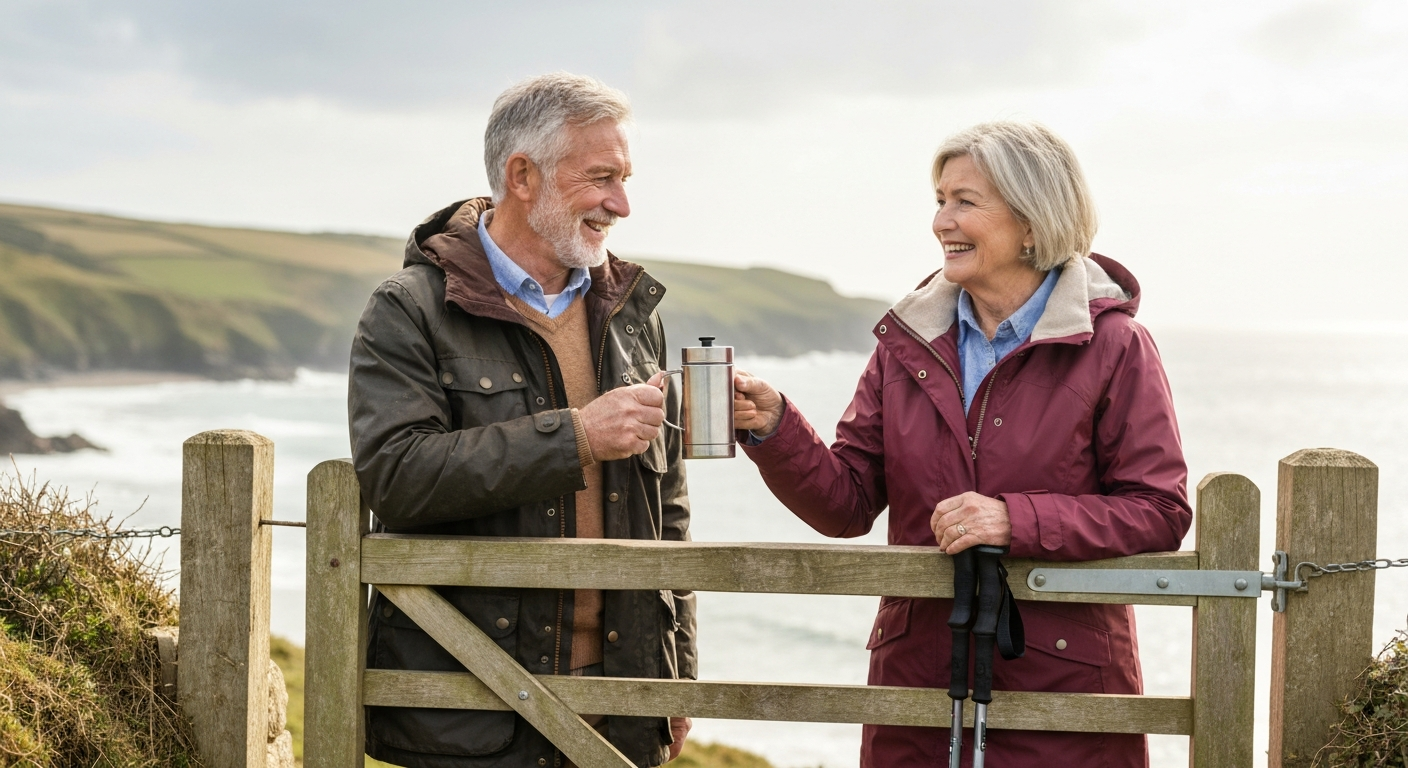
Tom, 62, from Bristol, joined the Mendip Ramblers after his wife died in 2019. He wasn't looking for romance, just a reason to leave the house on Sundays. He met Jane, 59, on a February walk to Cheddar Gorge. They discovered a shared interest in church architecture during a lunch stop at The New Inn in Priddy. Eighteen months later, they married at the 12th-century church in Compton Martin, with half the walking group in attendance.
Sarah, 54, from Edinburgh, had spent two frustrating years on dating apps before a friend dragged her along to a Scottish Borders walking group. She met Andrew, 56, on their fourth walk together, a 12-mile circuit from Peebles. They talked about books the entire way. She noticed he'd read everything she mentioned and had thought about it deeply. They've now completed the West Highland Way together and are planning to tackle Hadrian's Wall Path next spring.
Not every walking groups romance follows a traditional path. If you're open to connections that develop across distances, shared rambling interests can form a foundation for long-distance relationships built around weekend walking trips and annual hiking holidays across the UK.
Practical considerations: kit, fitness and realistic expectations
Invest in proper walking boots before your first group outing. Blisters and discomfort will sour the experience and make you reluctant to return. Cotswold Outdoor staff can fit you properly, and decent boots from Scarpa or Merrell start around £90. Don't waste money on cheap supermarket versions that won't support your ankles on uneven terrain.
Be honest about your fitness level when choosing walks. Most groups grade their routes, typically using the Ramblers' system of easy (up to 5 miles, minimal elevation), moderate (5 to 8 miles, some hills) or strenuous (8 plus miles, significant climbs). Start with easy grades even if you think you're fitter. Arriving exhausted and struggling makes a poor first impression and prevents conversation.
Pack essentials in a small rucksack: waterproof jacket, water bottle, snacks, basic first aid kit, mobile phone with emergency battery. Practical competence matters on the trail. Those who constantly need to borrow items or who slow the group through poor preparation rarely get invited for post-walk drinks.
Much like refreshing your wardrobe for dates, investing in appropriate outdoor clothing shows respect for the activity and the people you're meeting. Technical fabrics that manage moisture and temperature make long walks far more comfortable than cotton, which stays wet and cold once you start sweating.
When to take a rambling friendship off the trail
Watch for these signs that walking groups romance might be developing beyond simple friendship: you both engineer reasons to walk near each other, conversation continues long after the official walk ends, you text between walks about non-walking topics, or you start attending walks you wouldn't normally choose just because you know they'll be there.
Suggest a non-walking activity when these patterns emerge. Dinner, a film, a National Trust property you both mentioned wanting to visit. The transition from group member to potential partner requires stepping outside the safety of the rambling club context. If they decline but remain friendly on group walks, accept it gracefully and redirect your attention elsewhere within the group.
Keep any developing romance relatively private initially. Broadcasting a new relationship too soon can make group dynamics awkward, particularly if it doesn't work out. Wait until you're genuinely established as a couple before arriving together or holding hands on the trail. Walking groups thrive on relaxed camaraderie, and perceived cliquishness can damage that.
What if romance doesn't develop but you enjoy the walks anyway
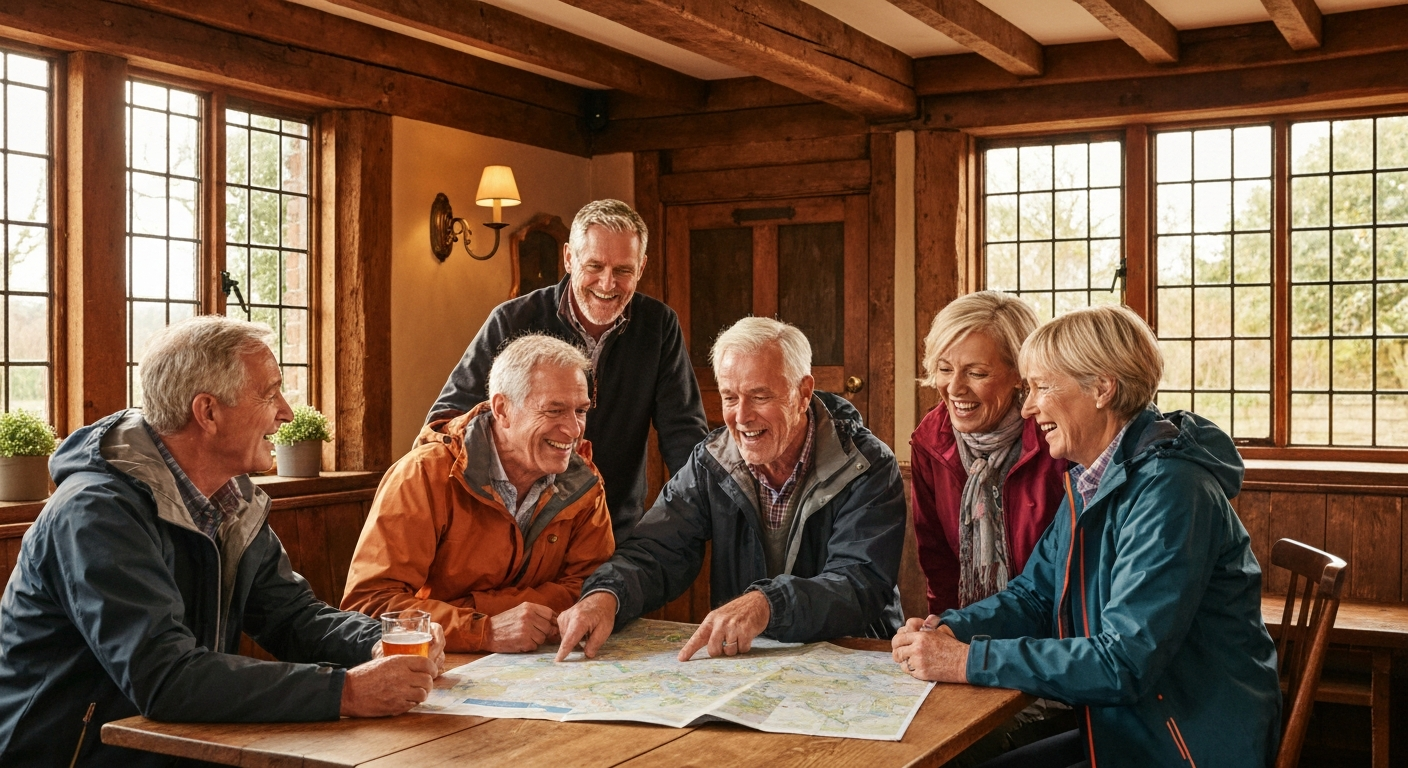
The best outcome from joining walking groups is often not romance but a rebuilt social life that makes you more confident and content generally. That attractiveness then manifests in other areas, sometimes leading to connections through entirely different channels. Regular walkers tend to be healthier, mentally sharper and more socially connected, all qualities that make someone appealing whether you meet them on a mountain or at a friend's dinner party.
Consider the walking group as expanding your pool of potential introducers. Regular members often know other single people through work, family or other hobby groups. Being vouched for by a trusted walking companion carries more weight than any dating profile. Several members of the Peak District Hiking Club report meeting partners through introductions from fellow ramblers rather than during the walks themselves.
Some people use walking groups as a gateway to finding compatible travel companions, which can naturally evolve into romance during longer trips. Shared multiday hikes along the Coast to Coast path or a week walking in the Lake District create the extended time together that allows deeper connections to form.
How platforms like MySugardaddy can complement outdoor social activities
While walking groups offer natural, organic ways to meet people, they work best when combined with other approaches. Platforms designed for mature daters, such as MySugardaddy, let you connect with people who share your values around active lifestyles and outdoor interests before you ever meet face to face. You might arrange a first date that's actually a walk rather than the traditional coffee, immediately filtering for compatibility around fitness and interests.
The advantage of combining online platforms with real-world activities is breadth of choice. Your local walking group might have 30 regular members within your age range, perhaps half of them single. Online, you can specify preferences for active, outdoorsy partners and connect with hundreds of compatible people across your region, then invite promising matches to join you on an upcoming ramble as a first meeting.
Frequently asked questions about finding romance through walking groups
Can you really meet someone special through a walking group?
Yes, many people over 50 meet partners through rambling clubs and walking groups. The Ramblers conducted an informal survey in 2022 and found that approximately 1 in 8 members had formed a romantic relationship with another member, with the rate higher among the over-50 demographic. Walking provides extended time together in a relaxed setting, allowing friendships to develop naturally before romantic feelings emerge. The shared interest in outdoor activity also indicates lifestyle compatibility, which matters more than initial spark for long-term relationships.
How long does it typically take to form connections in a walking group?
Most regular walkers report forming genuine friendships after 4 to 6 walks with the same group, typically over 2 to 3 months. Romantic connections usually develop more slowly, often emerging 6 months to a year after joining, once you've established yourself as a trusted member of the group rather than someone obviously hunting for a partner. Consistency matters more than intensity. Attending one walk weekly builds connections faster than sporadic attendance at multiple groups.
What if I'm not very fit or haven't walked in years?
Start with short, easy-grade walks offered by Walking for Health schemes or beginner groups through The Ramblers. Many groups specifically welcome those rebuilding fitness after illness, injury or simply years of inactivity. A 2-mile flat walk around a local park is a perfectly acceptable starting point. Fitness improves quickly with regular walking, and groups appreciate seeing someone's progress over months. Being honest about your current level shows self-awareness, which is more attractive than struggling to keep up while pretending you're fine.
Are walking groups just for serious hikers with expensive equipment?
No, walking groups span every level from gentle 2-mile strolls to challenging mountain expeditions. Community groups and Age UK walks typically require nothing more than comfortable shoes, a waterproof jacket and a drink. You don't need technical gear for most lowland walks under 8 miles. Invest in proper boots once you're sure you'll continue, but borrowed or basic equipment is fine initially. Groups care more about pleasant company than whether you own the latest GPS watch.
How do you handle rejection gracefully if someone isn't interested romantically?
Accept it without drama and continue attending walks if you genuinely enjoy them. The walking group community is small, and word spreads quickly about people who make things awkward after romantic rejection. Treat the person normally, remain friendly in group settings, but redirect your energy toward other friendships within the group. Often, being gracious about rejection earns respect that leads to introductions to other single friends outside the walking context. Making the group uncomfortable helps nobody and guarantees you won't meet anyone else through those channels either.
The path forward: first steps toward walking groups romance
Finding romance after 50 through walking groups requires patience, consistency and genuine interest in the activity itself. Those who join solely to find a partner rarely succeed because the desperation shows. Those who join to rebuild fitness, explore the countryside and make friends often find romance emerges naturally as a bonus rather than the primary goal.
Start by researching three local groups through The Ramblers website, Meetup or Age UK. Attend at least one walk with each before deciding which feels most welcoming and matches your fitness level. Commit to that group for a minimum of three months, attending at least twice monthly. Invest in decent boots and waterproofs. Engage genuinely with everyone, not just potential romantic interests. Extend conversations beyond the trail when natural opportunities arise.
Romance through walking groups happens when you stop trying to make it happen and simply become someone worth walking beside. The miles will reveal character far more reliably than any carefully constructed dating profile ever could. Sometimes the best path forward is simply the one under your boots right now.