Companionship over 50: friendship or romance after dating?
Lesezeit: 10 Minuten
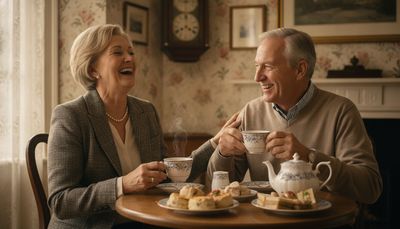
Three months ago you met someone lovely at a National Trust event. You message daily, share afternoon tea most Tuesdays, and last week you walked the Seven Sisters together. Your daughter asked when she can meet them properly and you realised you had no answer. You like this person immensely but when you imagine kissing them goodnight, the thought feels awkward rather than exciting. You might be discovering what many over-50s already know: sometimes what you need is companionship over 50, not a romance.
The difference matters more than you think. Misreading your own desires or failing to communicate them clearly creates confusion, hurt feelings, and weeks wasted in the wrong dynamic. This article shows you how to recognise what you truly want, how friendship differs from romance in mature dating, and how to talk about it honestly before anyone gets the wrong idea.
Why companionship over 50 becomes a priority
After 50, your social landscape often shifts. Friends move away, work colleagues retire, partners pass away or relationships end. According to Age UK, over 1.4 million older people in the UK report chronic loneliness. Isolation is real and painful. Many turn to mature dating sites not necessarily seeking physical intimacy or cohabitation, but human contact: someone to visit galleries with, share Sunday lunch, or text when something amusing happens.
You might have been married for 30 years and never want to merge households again. You might cherish your independence, your routines, your own space. A companion can fill the gap left by solitude without requiring the compromises of a full romantic partnership. There is no shame in admitting you want company more than you want passion. In fact, clarity here is a strength.
Some people use platforms like MySugardaddy, where the emphasis can be less on traditional romance and more on mutually beneficial connection and companionship. The key is knowing what you want before you start browsing profiles and crafting messages.
The practical difference between companionship and dating over 50
Companionship and romantic dating look similar from the outside but feel different from within. A companion is someone whose company you genuinely enjoy, who lifts your mood, who shares interests or simply listens well. A romantic partner adds layers: physical attraction, the desire for affection, perhaps exclusivity, and often a vision of intertwined futures.
Companionship might mean meeting for coffee every Wednesday at the Harris Museum café in Preston or joining the same U3A photography group. Romance usually means goodnight kisses, holding hands during a film, staying overnight occasionally, and the expectation of emotional and physical intimacy. Companions can become friends you holiday with or invite to family gatherings without any romantic undertone. Romantic partners occupy a different space in your life and your calendar.
Think about the last time you spent an afternoon with this person. Did you feel relieved when they left, energised by the time together, or disappointed they didn't lean in closer? Your emotional response tells you more than any checklist.
When mature dating becomes just companionship
Sometimes you start dating someone and realise halfway through that the spark isn't there. Perhaps you met through a walking group or bridge clubs where social connection after 50 is common, assuming romance would follow naturally. It doesn't always. You might discover you enjoy their company enormously but feel no pull towards intimacy. That transition from date to companion is valid and common, but it requires an honest conversation before assumptions harden.
How to know if you want companionship or romance

Self-awareness after 50 is easier in some ways and harder in others. You know yourself better than you did at 25, but societal expectations or loneliness can muddy the waters. Here are concrete questions to ask yourself, not vague prompts but practical tests based on real behaviour.
Do you imagine this person meeting your children or grandchildren as your partner, or simply as your friend? When you plan future activities together, do you picture separate hotel rooms or sharing a bed? If they mentioned dating someone else, would you feel jealous or just pleased they found companionship? Do you want to text them goodnight with affection, or does that feel forced?
Test your instincts in a low-stakes scenario. Imagine them cancelling your next meet-up. If your main feeling is disappointment about missing the activity rather than missing them specifically, companionship might be your true goal. If you feel a sharper ache, something closer to heartbreak, romance is probably in play.
Pay attention to physical cues. When you sit beside them on a bench or in a car, do you lean slightly towards them or maintain a polite distance? Do you notice what they're wearing, how they smell, the warmth of their hand? Or do you notice what they say and think, with their physicality barely registering? Your body often knows before your mind catches up.
Choosing friendship over romance after 50
Once you recognise you want companionship over 50 rather than a romantic relationship, the next step is communication. This conversation feels awkward because rejection hurts even when it's gentle, but honesty early prevents deeper hurt later. Choose a quiet moment, not immediately after a lovely day out when emotions are high.
Say something direct: "I've really enjoyed getting to know you these past few months. I value your company enormously and I'd love to keep spending time together, but I realise I'm looking for companionship and friendship rather than a romantic relationship. I wanted to be upfront so we're both clear." This respects the other person's time and feelings while protecting your own boundaries.
They might feel the same relief. Many over-50s join mature dating platforms hoping for exactly this: regular, enjoyable company without the weight of romantic expectation. Others might feel disappointed or confused. Give them space to process. If they need to step back, respect that. If they're open to continuing as friends, agree on what that looks like practically: how often you'll meet, what activities you'll share, whether you'll both continue seeking romantic partners elsewhere.
Setting boundaries in non-romantic companionship
Boundaries prevent confusion. If you're looking for companionship not a relationship over 50, make that clear in your dating profile as well as in person. Phrases like "seeking friendship and shared activities" or "companionship and good conversation" signal intent without sounding cold. On your profile, emphasise interests over romantic ideals. Talk about the hill walks you love, the exhibitions you want to visit, the theatre trips you're planning. Romance-focused profiles mention candles, cuddles, and cosy nights in. Companionship profiles mention curiosity, laughter, and shared adventures.
If you met through traditional dating channels and now want to shift the dynamic, revisit your profile. Update it honestly. You're not misleading anyone; you're clarifying what you've learned about yourself. Platforms like MySugardaddy allow for varied relationship styles, so you might find people there more open to arrangements that prioritise companionship alongside other benefits rather than romance alone.
Practical companionship after 50: what it looks like
Companionship over 50 can take many shapes. You might meet a companion for regular lunches at your local garden centre café, join them at weekend walking groups where connection often begins, or plan short breaks together in separate hotel rooms when you live apart. You might attend concerts, volunteer together at a local charity shop, or simply meet for a weekly coffee and crossword in your favourite café.
Some companions holiday together annually, splitting costs and enjoying shared experiences without any romantic expectation. Others remain local, meeting once or twice a week for specific activities. The rhythm you establish matters less than the honesty underpinning it. Both people must know and accept the terms.
Companionship also works well for people who remain emotionally tied to a late spouse, who prefer living alone, or who have health conditions making romance impractical or unappealing. It's equally valid for those who tried dating again and found the complications outweighed the benefits. There is no hierarchy here. Companionship is not second-best to romance; it's a different choice with different rewards.
Common mistakes when seeking companionship instead of romance

The biggest mistake is ambiguity. Leaving things unsaid because you fear awkwardness or rejection creates far worse problems later. The second mistake is drifting into romantic gestures out of habit or politeness, sending mixed signals you don't intend. Avoid lingering goodbyes, affectionate nicknames, or late-night calls unless both of you clearly understand the boundaries.
Another error is assuming everyone wants what you want. Just because you're content with companionship over 50 doesn't mean your companion feels the same. Check in regularly, especially in the early months. Ask simple, direct questions: "Are you happy with how things are between us?" or "Does this still work for you?" These conversations feel uncomfortable but they prevent resentment or unspoken disappointment building over time.
Don't use companionship as a placeholder while you search for someone else. If you're keeping this person at arm's length emotionally until someone more exciting appears, you're being unfair. Companionship deserves the same respect and honesty as any romantic relationship. Treat it accordingly.
Frequently asked questions
How do you know if you want companionship or romance after 50?
You want companionship if you enjoy someone's company but feel no desire for physical intimacy or exclusivity. Test your feelings by imagining them dating someone else: jealousy suggests romance, indifference or mild pleasure suggests companionship. Pay attention to whether you miss their presence or just the activities you share. Romance involves longing for the person; companionship values what you do together.
Can companionship over 50 turn into romance later?
Yes, feelings can shift over time, though it's less common than you might think. If attraction develops after months of companionship, discuss it openly rather than hoping the other person notices. Be prepared for the possibility they prefer things as they are. Unrequited feelings within a companionship can be harder to navigate than within a dating context because the foundation is already established. Honesty remains essential.
How do I tell someone I only want companionship not a relationship?
Choose a private, calm moment and be direct: "I really value our time together, but I've realised I'm looking for companionship and friendship rather than romance. I wanted to be clear so we're both on the same page." Don't apologise excessively or offer vague excuses. Clarity respects their time and feelings. Give them space to respond and accept their decision if they need to step back.
Is looking for companionship over 50 common in the UK?
Extremely common. Age UK reports over 1.4 million older people in the UK experience chronic loneliness, and many seek connection without the complications of romance. U3A groups, volunteer organisations, and companionship-focused social clubs attract thousands of members. Many over-50s prioritise shared activities and reliable company over physical intimacy or cohabitation after previous relationships or bereavements.
Conclusion: knowing what you want after 50
Recognising whether you want companionship over 50 or romance requires honesty with yourself first, then with others. The difference between a companion and a romantic partner is real: one offers connection and shared time, the other adds layers of intimacy and future planning. Neither is better, but mixing them up wastes time and causes hurt.
Start by asking yourself concrete questions about your feelings, your physical responses, and your vision for the future. Communicate clearly with anyone you meet, whether through mature dating platforms or social groups. Update your profile to reflect what you've learned. Set boundaries early and revisit them regularly. Companionship offers real value: regular company, shared interests, reduced loneliness, all without the expectations that romance brings. Claim it honestly and enjoy it fully.