Overcoming rejection fear in your fifties

Lesezeit: 12 Minuten
A woman I met at a Winchester coffee morning told me she'd deleted her dating profile after three days because someone hadn't replied to her message. She was 58, divorced two years, and convinced that single blip proved she was "too old" for romance. The fear of rejection had stopped her before she'd even started. If you recognise that feeling, you're far from alone, and this article will show you exactly how to move past it.
According to the Office for National Statistics, there were 2.8 million people aged 50-64 living alone in England and Wales in 2021, a figure that's risen by 18% in a decade. Many want companionship but hesitate because dating anxiety feels overwhelming after years away from the scene. The good news is that fear of rejection becomes manageable once you understand what triggers it and adopt practical strategies rooted in real experience.
Why rejection stings more after 50
Rejection never feels pleasant, but it hits differently when you're older. If you've been married for 30 years or single since your partner died, you carry decades of identity tied to one relationship status. A "no thanks" from a stranger can feel like proof you've lost your appeal entirely, rather than what it actually is: one person's preference on one day.
Self-esteem after divorce often takes a battering because you're processing loss and change simultaneously. A 2022 survey by Age UK found that 43% of people over 50 reported feeling lonelier after separation or bereavement than at any other point in their lives. That loneliness can make every dating interaction feel higher-stakes than it needs to be.
The physical changes of ageing add another layer. You might worry that greying hair, a few extra pounds, or lines around your eyes will disqualify you. In reality, mature singles confidence comes from accepting that everyone in your age bracket is ageing too, and most people value warmth and authenticity over airbrushed perfection.
Reframing rejection as information, not verdict
The single most useful mindset shift I've seen people make is this: rejection is data, not judgement. When someone doesn't reply to your message or declines a second date, they're telling you they're not a good match. That's valuable information that saves you time and energy.
Think of it like house-hunting. If you view a flat in Bristol and it doesn't suit you, you don't spiral into thinking you're unworthy of housing. You note it wasn't right and move on. Dating works the same way once you stop taking mismatch personally.
A useful exercise is to list five reasons someone might not respond that have nothing to do with your worth: they're overwhelmed by messages, they've rekindled an old relationship, they're taking a break from the app, they live too far away, or they've realised they're not ready. All of these happen constantly and none reflect on you.
Practical steps to build emotional resilience
Emotional wellbeing isn't something you either have or don't have. It's a skill you strengthen through deliberate practice, especially when dating after bereavement or a long marriage. Here are three concrete methods that work.
First, limit your daily app time to 20 minutes maximum. Set a phone timer. Endless swiping amplifies dating anxiety because you're constantly exposing yourself to potential rejection without breaks. Twenty minutes gives you enough time to check messages and browse new profiles without letting the process consume your evening.
Second, keep a "wins" list in your phone notes. Every time something positive happens, however small, jot it down: "Had a good chat with someone who shares my love of gardening," or "Went for coffee in Harrogate and enjoyed myself even though there wasn't chemistry." After a knockback, scroll through the list. It reminds you that progress isn't linear and one setback doesn't erase every good moment.
Third, schedule something you genuinely enjoy immediately after a first date. Book tickets to a film at the Everyman in Leeds, arrange to meet a friend for lunch in Bath, or plan a walk through the South Downs. This prevents you from sitting at home refreshing your phone waiting for a text. You've already got something to look forward to regardless of how the date went.
Building mature singles confidence through action
Confidence doesn't appear magically. You build it by doing the thing that scares you, observing that you survive, and repeating. The first message you send will feel nerve-wracking. The tenth will feel routine.
Start small. If the idea of a full dinner date feels too intense, suggest a 30-minute coffee at a specific place like Caffè Nero in York city centre on a Wednesday afternoon. Short, daytime, public, concrete. You've limited the time commitment and given yourself an easy exit if it's not working. That boundary protects your emotional wellbeing without closing you off to possibility.
Consider activities that naturally bring you into contact with potential partners without the formal pressure of a date. Walking groups offer an unexpected path to romance after 50 because you're focused on the countryside rather than performing across a table. The Ramblers Association has over 400 local groups across the UK, many specifically welcoming to older members.
Another route is to refresh how you present yourself, which often boosts confidence from the inside out. You don't need to transform into someone else, but dressing with confidence for dates can make you feel more like the capable, interesting person you are. Small changes, new glasses from Specsavers in Manchester or a well-cut jacket from M&S, can shift how you carry yourself.
Managing anxiety about dating again after loss
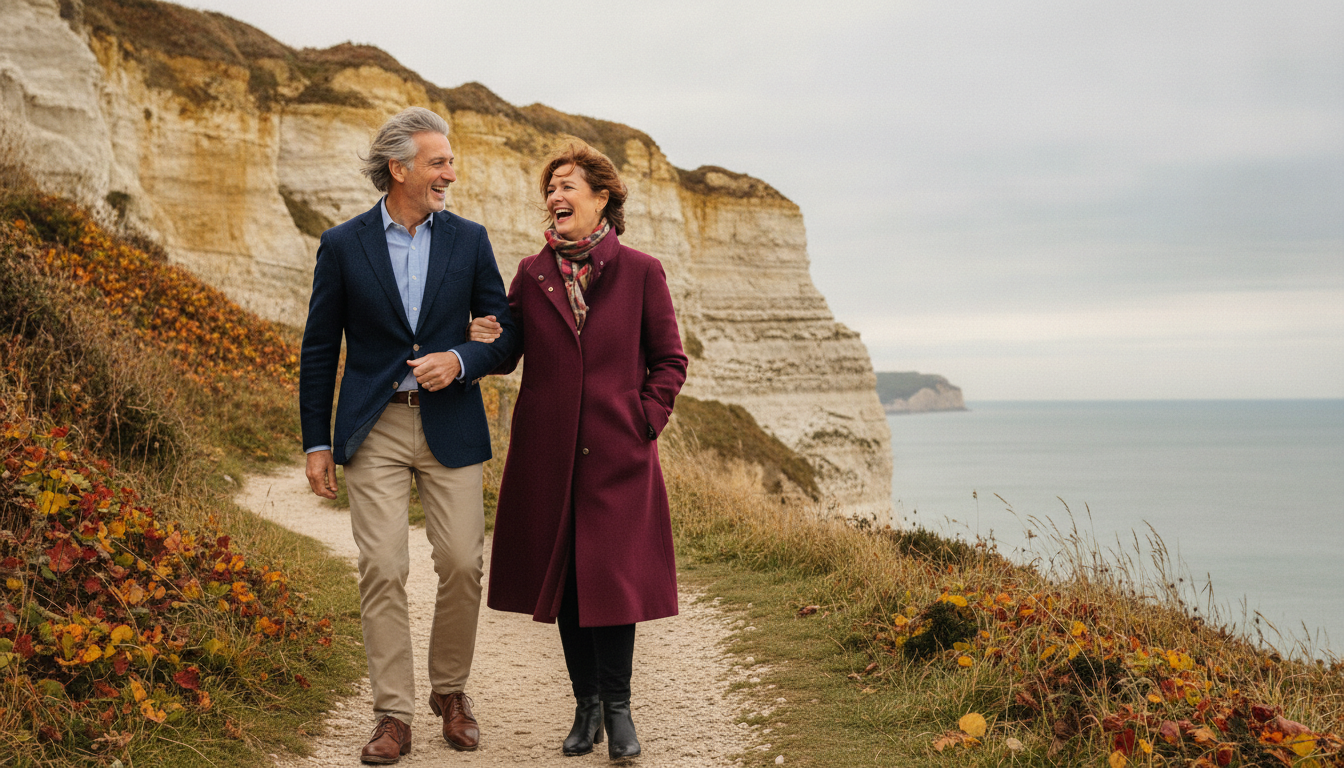
If you're dating after bereavement, fear of rejection often tangles with guilt and grief. You might worry that moving on dishonours your late partner, or that you're somehow being disloyal by wanting companionship. These feelings are normal and don't mean you're doing anything wrong.
Cruse Bereavement Support, the UK's leading bereavement charity, emphasises that there's no "right" timeline for dating again. Some people are ready within a year, others take five or more. What matters is that you're doing it because you want to, not because you feel you should or because others are pushing you.
When anxiety spikes, ground yourself in the present moment. Name five things you can see, four you can touch, three you can hear, two you can smell, one you can taste. This 5-4-3-2-1 technique, recommended by mental health charity Mind, interrupts the spiral of catastrophic thinking and brings you back to what's actually happening right now, which is usually manageable.
How to cope with rejection when dating over 50
You will face rejection. Everyone does. The question isn't whether it will happen but how you'll respond when it does. Here's a four-step process that prevents one setback from derailing your entire effort.
Step one: allow yourself to feel disappointed for a set period, say 30 minutes. Don't suppress it or pretend it doesn't sting. Acknowledge it, have a cup of tea, maybe tell a friend. Then move on.
Step two: ask yourself honestly whether there's anything to learn. Did you message someone whose profile clearly stated they wanted someone within 10 miles when you're 40 miles away? That's useful feedback about reading profiles more carefully. Did someone just not fancy you? That's not actionable information, so let it go.
Step three: do something that reinforces your identity beyond "person seeking a partner." Phone your daughter, tend your garden, work on that jigsaw puzzle of the Lake District you started last month. You are a whole person with or without a romantic relationship.
Step four: get back to it within 48 hours. Send another message, browse more profiles, stay active. The longer you withdraw, the bigger the fear of rejection grows. Momentum matters.
The role of realistic expectations
Much dating anxiety stems from unrealistic expectations about timelines and success rates. If you think you should meet someone perfect within a month, every week that passes feels like failure. If you expect every conversation to lead somewhere, every dead-end conversation feels like rejection.
Data from dating platforms shows that most people over 50 who find a long-term partner through online dating have been actively looking for between six months and two years. That's not because there's anything wrong with them. It's because finding genuine compatibility takes time and involves meeting people who aren't right before you meet someone who is.
Adjust your definition of success. Success isn't "found a partner this week." Success is "had three interesting conversations," or "went on a date that didn't work out but I handled it well," or "learned I actually enjoy the process more than I thought I would." These incremental wins build the resilience you need for the longer journey.
When to step back and regroup
Sometimes the kindest thing you can do for yourself is pause. If every login to an app makes you feel worse, if you're checking your phone 40 times a day for replies, if rejection is starting to confirm negative beliefs about yourself, take a break.
A break isn't quitting. It's strategic retreat. Deactivate your profile for a month, focus on other parts of your life, do things that make you feel competent and valued. Join a book group at Waterstones in Edinburgh, take an art class at a local college, volunteer with a charity you care about.
When you return to dating, you'll come back with perspective and renewed energy. Many people I've spoken to report that their second attempt, after a deliberate pause, felt far less fraught than their first because they'd rebuilt their sense of self outside the dating context.
Support networks and professional help

You don't have to navigate this alone. Age UK runs friendship groups and social activities in most UK towns and cities where you'll meet others in similar situations. The Silver Line, a free confidential helpline for older people, operates 24 hours a day on 0800 4 70 80 90 if you need to talk through your feelings.
If dating anxiety is severe or persistent, consider a few sessions with a counsellor who specialises in later-life transitions. The British Association for Counselling and Psychotherapy has a directory of accredited therapists searchable by location and specialism. Six sessions can equip you with tools that serve you for years.
Platforms like MySugardaddy also offer community features where you can connect with others who understand the specific dynamics of mature dating and age-gap relationships, which can reduce the isolation that fuels fear of rejection.
Frequently asked questions
How do I stop taking rejection personally when dating over 50?
Remind yourself that rejection reflects compatibility, not worth. List five reasons someone might decline that have nothing to do with you: wrong timing, different life goals, geographic distance, rekindled past relationship, not ready to date. One person's "no" doesn't define your value. Keep a phone note of every positive dating interaction to review when you feel knocked back. This builds evidence that setbacks are temporary, not permanent verdicts.
Is it normal to feel anxious about dating again after being widowed?
Completely normal. Cruse Bereavement Support confirms that dating after bereavement brings up guilt, grief and anxiety about honouring your late partner's memory. There's no standard timeline for when you should be ready. Start when you genuinely want companionship, not when others suggest you should. Consider short, low-pressure meetings like coffee rather than full evenings, and talk to friends or a counsellor about the mixed emotions that arise.
What can I do if fear of rejection is stopping me from messaging anyone?
Set a small, specific goal: send one message today to someone whose profile mentions a shared interest. Make it about something concrete they wrote, not a generic greeting. Commit to this for seven days without expecting replies. By day seven, sending messages will feel routine rather than terrifying. Remember that most people don't respond for reasons unrelated to you, and every message you send is practice that builds confidence.
How long should I wait after divorce before dating again?
The legal process and emotional readiness are separate timelines. Some people feel ready within months of separation, others need years. You're ready when you can think about a new relationship without constantly comparing it to your marriage or using dating to avoid processing the divorce. If every minor setback sends you spiralling, you might benefit from more time. Relationship support resources can help you assess your readiness honestly.
Should I tell potential dates about my anxiety or fear of rejection?
Not on a first date. Early conversations should focus on getting to know each other, not on your vulnerabilities. Once you've been seeing someone regularly and trust is building, sharing that you found it nerve-wracking to start dating again can actually deepen connection. Most people over 50 understand that anxiety because they've felt it themselves. Vulnerability in the right context creates intimacy, but save it for when you've established a foundation.
Moving forward with realistic optimism
The fear of rejection doesn't disappear entirely, but it shrinks to a manageable size when you treat it as a normal part of the process rather than a catastrophe. Thousands of people in their fifties, sixties and beyond build fulfilling relationships every year in the UK. The difference between those who succeed and those who give up isn't whether they face rejection. It's whether they let rejection define them.
You've already survived harder things than a stranger not replying to a dating message. You've raised children, built careers, navigated loss, managed households, adapted to profound changes. Those experiences gave you resilience, even if it doesn't feel like it when you're staring at an unanswered text.
Start small, be kind to yourself, keep moving. The emotional wellbeing you build while dating serves you in every area of life, whether or not you meet a partner. That's not a consolation prize, it's a worthwhile outcome in itself. And when you do connect with someone who appreciates you, you'll be glad you didn't let fear make the decision for you. Take the first small step today, even if your hands shake while you do it. That's not weakness, it's courage.